Seasonal Preservation Guide
Extending the harvest through traditional methods
Practical information on canning, fermenting, drying, and freezing seasonal produce — methods suited to Poland's agricultural calendar and home kitchen.

Practical information on canning, fermenting, drying, and freezing seasonal produce — methods suited to Poland's agricultural calendar and home kitchen.
Preservation Methods
Each method suits different types of produce and household conditions. Understanding the trade-offs helps in choosing correctly for each vegetable or fruit.
Water-bath and pressure canning seal produce in sterilised jars. Correct acidity levels and processing times are essential for safe storage at room temperature.
Lactic acid fermentation preserves cabbage, cucumbers, and beets without heat. Salt concentration and anaerobic conditions determine the outcome.
Removing moisture inhibits microbial growth. Oven drying, air drying, and dehydrators each suit different produce types and quantities.
Blanching before freezing halts enzyme activity. Correct packaging prevents freezer burn and maintains nutritional content over months of storage.
In Poland, the main harvest window runs from late July through October. Preserving at peak ripeness gives the best results regardless of method.
Sterilisation, correct pH, and proper storage temperatures prevent spoilage. Guidelines from the Polish National Institute of Public Health provide current standards.
Articles
Each article covers a single preservation method with step-by-step procedures, timing, and common issues specific to home kitchens in Poland.
A structured overview of home canning procedures, from jar preparation and headspace measurement to processing times for common Polish garden vegetables.
Read article →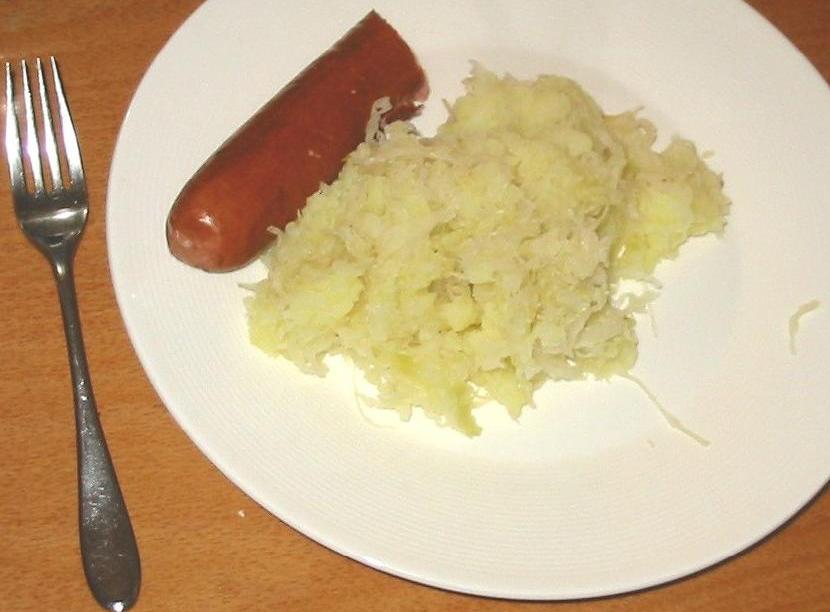
Traditional Polish fermented foods rely on simple lactic acid processes. This article explains salt ratios, vessel selection, and signs of healthy versus failed fermentation.
Read article →
Comparing oven drying, dehydrator use, and air drying alongside blanching techniques for freezing. Includes storage duration estimates and packaging guidelines.
Read article →Poland — Seasonal Calendar
The timing of preservation depends on local harvest windows. Polish growing conditions define specific windows for each crop.
| Produce | Peak Season (PL) | Recommended Method | Storage Duration |
|---|---|---|---|
| Cucumbers (ogórki) | July – August | Fermentation / Water-bath canning | 6–12 months |
| Cabbage (kapusta) | September – October | Fermentation (sauerkraut) | 3–6 months (refrigerated) |
| Tomatoes (pomidory) | August – September | Water-bath canning / Freezing | 12–18 months (canned) |
| Mushrooms (grzyby) | September – October | Drying / Freezing | 12 months (dried) |
| Apples (jabłka) | August – October | Drying / Canning (jam) | 6–12 months |
| Green beans (fasola szparagowa) | July – August | Pressure canning / Freezing | 12 months (canned) |
| Beets (buraki) | September – October | Fermentation / Water-bath canning | 6–12 months |